Welcome to Verse Novel Week 2015
Welcome to the 4th annual Verse Novel Week here on Clear Eyes, Full Shelves!
Throughout the week, we will have a series of awesome guest posts celebrating the uniquely beautiful verse novel format. Even if you've never read a verse novel or think poetry isn't for you, I promise that you'll find something that piques your interest.
If you'd like to explore past verse novel celebrations, check out the archives below.

I feel like the more I read novels in verse the more I like them.
I’ve been in a bit of a reading slump since last year when I read Love and Leftovers for this very blog. So imagine my surprise when I managed to finish Far From You by Lisa Schroeder in nearly two hours. The novel flows together so seamlessly that I was surprised when it ended.
Anyone who writes in verse gets used to answering this question: “Why do you write in verse?” There are a lot of reasons of course, but one that I often talk about concerns the depiction of edgier material in books aimed at young readers.
Like it or not, our kids take drugs, self-harm, think about suicide, get abused, suffer from mental illness, are victims and perpetrators of violence, and lose friends. All of these dark topics are suitable for young readers, but may need to be presented in subtler ways than in adult literature. Verse is a way of achieving that. Its reliance on metaphor, sparse language, and contained form allow these issues to be explored without overwhelming the readers with heaviness.
Take sex for example. Not a dark theme (it’s fun and healthy!) but one that frequently raises eyebrows in relation to books for young readers. But again, like it or not, young people, teenagers, even pre-teens have sex drives and sex lives. Many YA books have a “fade to black” policy when it comes to sex. Characters might have sex, but rarely are the scenes depicted in any detail.

You ever laughed so hard
nobody in the world could hurt you for a minute,
no matter what they tried to do to you?
Make Lemonade by Virgina Euwer Wolff is an oldie (a 1993 release) but certainly a goodie novel. I read it during the 7th grade when I was learning English and I had zero idea what a verse novel is. At the time, I figured I either stumbled upon 1) a novel that’s meant for my basic and simple reading level or 2) a poetry book. Seven years and definition of a verse novel later, I’ve now learned what a verse novel and read other verse novels but Make Lemonade remains special.
Viginia Euwer Wolff's groundbreaking novel, written in free verse, tells the story of fourteen-year-old LaVaughn, who is determined to go to college--she just needs the money to get there.
When she answers a babysitting ad, LaVaughn meets Jolly, a seventeen-year-old single mother with two kids by different fathers. As she helps Jolly make lemonade out of the lemons her life has given her, LaVaughn learns some lessons outside the classroom.

My next book, Fan Art, will hit shelves on June 17th. Like Love and Leftovers, it is a contemporary young adult romance, and unlike Love and Leftovers, it is written in prose.
Fan Art didn’t start off that way. It began as a short story in verse, and later turned into a proposal for a novel. But the day after my editor said, “Yes, we’d be interested,” I received a second phone call. In order to reach more readers, Fan Art was not to be a novel in verse. I understood. A LGBT love story and a verse novel was narrowing the market too much.


As we celebrate verse novels all this week, let’s take a moment to highlight those stories that feature a person of color as the main character. This is not a complete list, but a list of some of the best.
If you have favorites not listed below, tell us about them in the comments!
The Good Braider by Terry Farish
Viola leaves war-torn Sudan for a new life in the United States. Such a great story of strength and loss of innocence. Beautiful cover! Beautiful writing!

Recommendation Tuesday started as a joke and is now an official thing. If you've got a book to recommend on this or any Tuesday, tweet me at @FullShelves and I'll help spread the word.
This week's Recommendation Tuesday is part of our Verse Novel Week celebration! View all of the past recommendations over here.
And the pomegranates,
like memories, are bittersweet
as we huddle together,
remembering just how good
life used to be.
— Under the Mesquite by Guadalupe Garcia McCall
When I get ready to put together Verse Novel Week each year, I always try to (rather foolishly) get caught up on verse novels I've missed and check out as many as I can find from the library. This year, my pile reached fairly ridiculous proportions, but at the top was Guadalupe Garcia McCall's Under the Mesquite, which came highly recommended by Nafiza, who has excellent taste.
Under the Mesquite is one of those books that will just suck you into its words and rhythm, and the verse format adds so much to that feeling as Garcia McCall weaves together Mexican American immigrant Lupita's story of family, loss and hope.
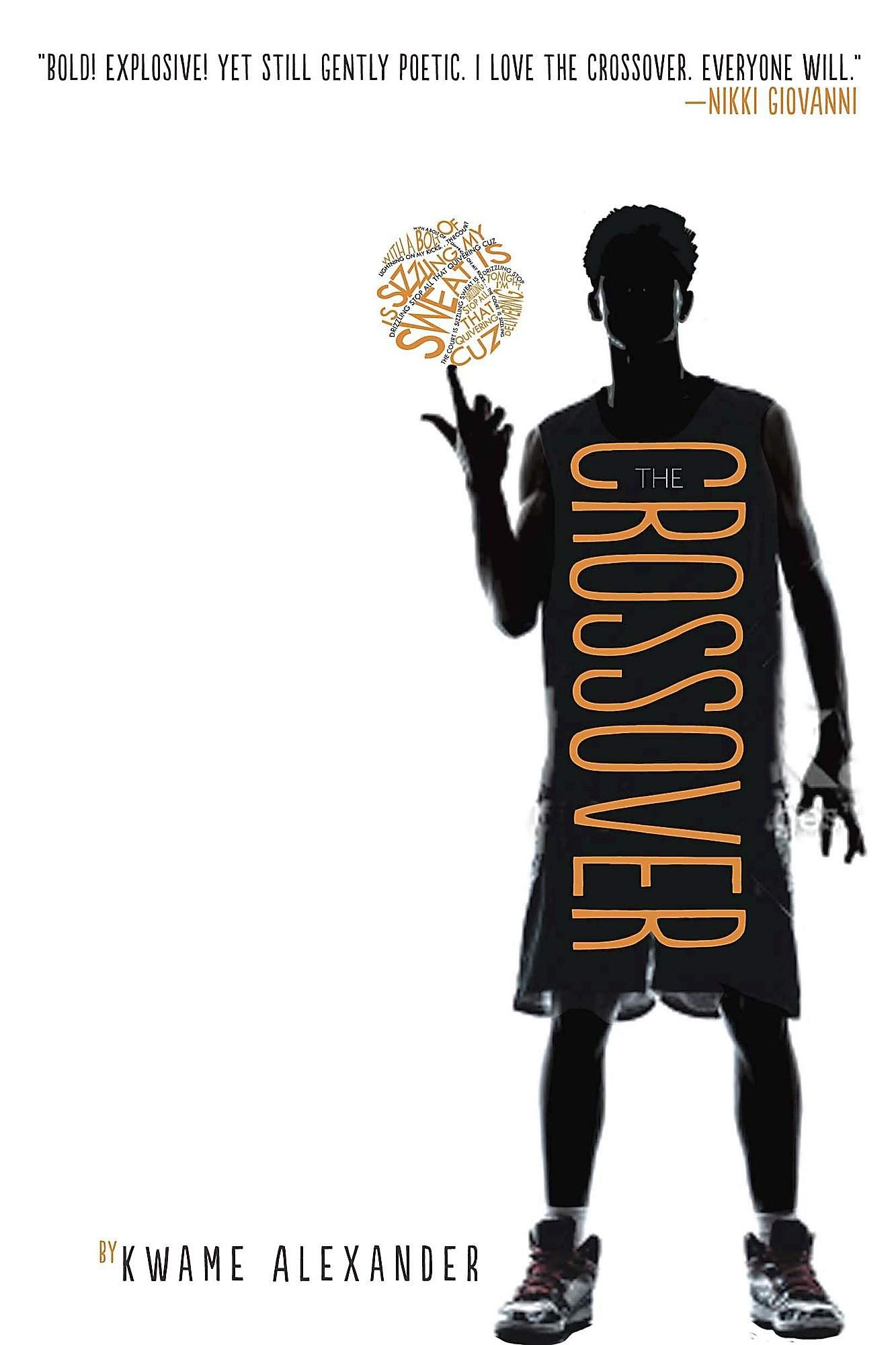
Kwame Alexander's newest novel, THE CROSSOVER, is a verse tour de force. It's told through poems by the main character, Josh Bell a.k.a. Filthy McNasty. He and his twin brother Jordan (JB) are talented basketball players, but jealousy threatens to split them apart when JB gets a girlfriend.
I love how many levels of story are woven into this novel.
THE CROSSOVER is the kind of book I never would've picked up when I was younger because I didn't like sports. There is the sports story promised by the cover, all leading up to a big championship game, but it is far from the only plotline. Nor is it the most important plotline. That's reserved for all the family stuff.
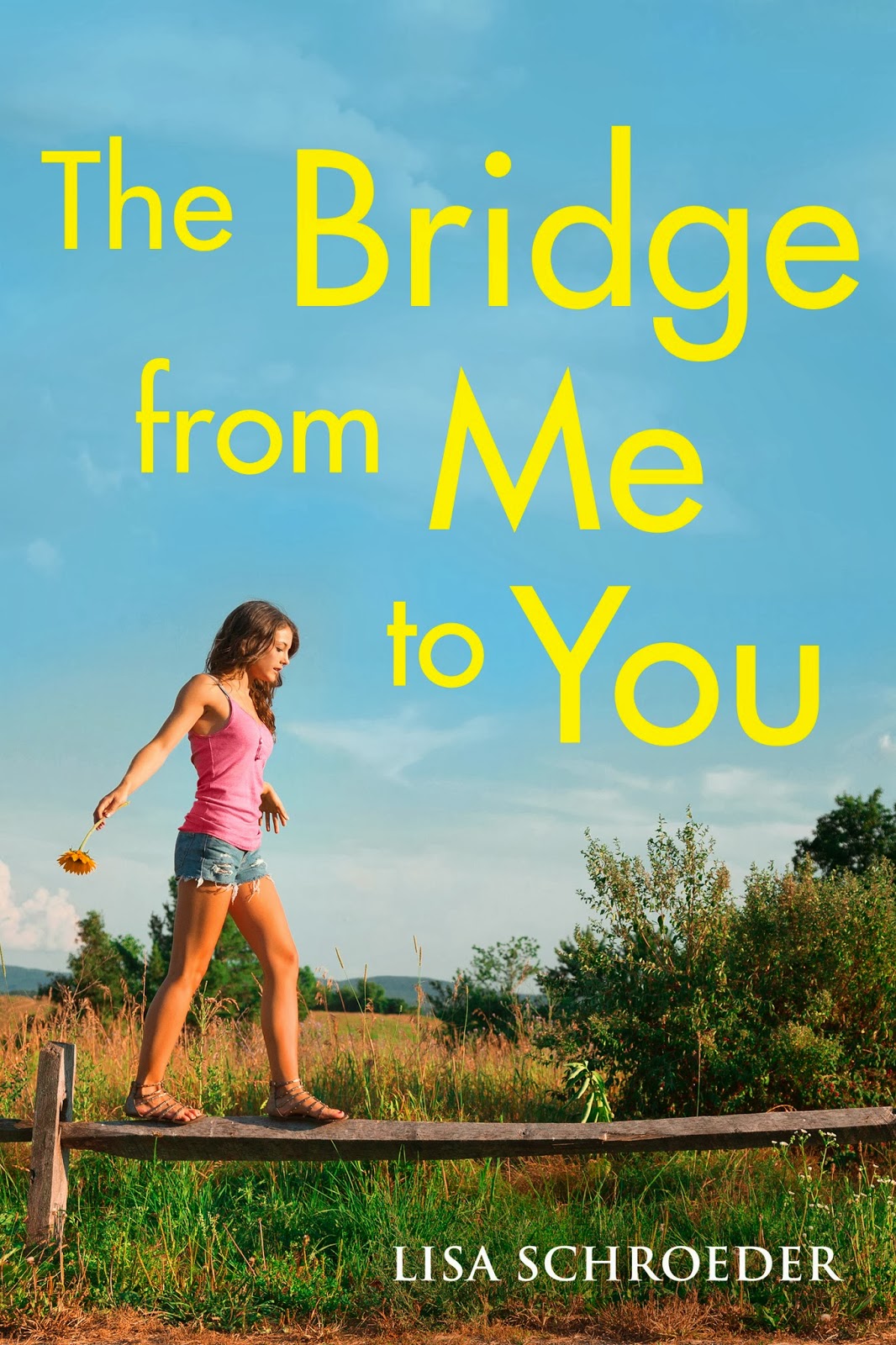
We are thrilled that our annual Verse Novel Week podcast features none-other than one of our very favorite authors, Lisa Schroeder.
Not only do we chat extensively about writing in verse and some of our favorite elements of verse novels, but because Lisa is as big of Friday Night Lights fan as I am (true story: I found out about Lisa's books because she wrote an awesome post about FNL that the entire world sent me), we chat about that show a bit as well. As one does...
Lisa Schroeder is the author of six teen novels (four of which are fully in verse, one that's half verse and another that includes poetry as an important storytelling device) including THE BRIDGE FROM ME TO YOU; I HEART YOU, YOU HAUNT ME and CHASING BROOKLYN; and the Oregon Book Award finalist THE DAY BEFORE.

It would be impossible to be more excited about kicking off a third celebration of verse novels on Clear Eyes, Full Shelves. We conceived of this project in our first year as a way to shine a light on a format we loved, but I am certain that we never thought that it would grow and become our one big tradition here on Clear Eyes, Full Shelves.
To folks who aren't verse novel enthusiasts, it may seem strange that we devote so much page space, as well as time and effort, to spreading the word about a specific format of novel. And, I guess, it kind of is weird.
Verse novels are often the red-headed stepchildren of book formats. If you peruse the Goodreads reviews for verse novels, they're peppered with complaints about the very existence of the format, and many readers seem to expect verse novels to prove themselves at a higher level than those written in prose.
Being verse novelist can make one feel defensive. The form is subject to a lot of questions, such as:
WHAT is a verse novel?
HOW can you tell a story in poems?
WHY don’t you just write “normally”?
Imagine someone wanting Eminem to define “rap.” Demanding of Joss Whedon, “How come you don’t write stage plays instead of screenplays” or of dancer Mikhail Baryshnikov, “How can you express narrative through movement without words”? What might the late Andy Warhol have said to somehow who asked why he didn’t just paint “realistically”?

Not long after the experience of reading Love and Leftovers by Sarah Tregay, I frantically hunted down as many verse novels as I could. Apparently, a lot of other people in the Fort Vancouver Regional Library system felt the same way, because none of them were available, thereby forcing me to add them to my library hold list in what felt like a holy test of my (notorious lack of) patience. And add to my list I did. Juvenile, YA, Middle Grade, whatever. Like a drug addict desperately in search of a fix, I was willing to read any category, any genre -- as long as it was a novel-in-verse.
The first book to become available was Far From You by Lisa Schroeder. Everything about it looked promising, from the snowflakes on the cover (since I love snow) to the jacket bio informing me that Lisa Schroeder is a local author, both of which would have been ample reasons for me to award bonus stars to my final book rating.
Turns out I didn’t need them.
So engrossed was I by Far From You that I finished the book in one frantic sitting, when I had originally intended to sneak in just a few pages while my SHO showered and got ready for our outing to the local Farmer’s Market.
So captivated was I by Lisa Schroeder’s verse that I gobbled up the rest of her then-published YA novels, all of which were in verse, within three months.
So enthralled I am with Lisa Schroeder’s storytelling that I (a lazy person who does not enjoy leaving the house or driving) drove to a Barnes and Noble 25 miles away from my house to snag a copy of her most recent book, a prose novel with strong poetic elements, when I found out it had been released into the wild at that particular bookstore a few days before the official release date.
And so obsessed I am with Lisa Schroeder’s books that when it comes to her novels, I simply cannot adhere to my policy of keeping one book by a treasured author unread as an emergency reserve for those times when I desperately need to read a book I know I will love.
To ease the hardship of not knowing when I will get to read another new Lisa Schroeder book, and in celebration of our Novels-in-Verse week here at CEFS, I decided to pull all of her books off of my shelves (oh yes, I have hard copies of them all) and reflect on just why I heart Lisa Schroeder.
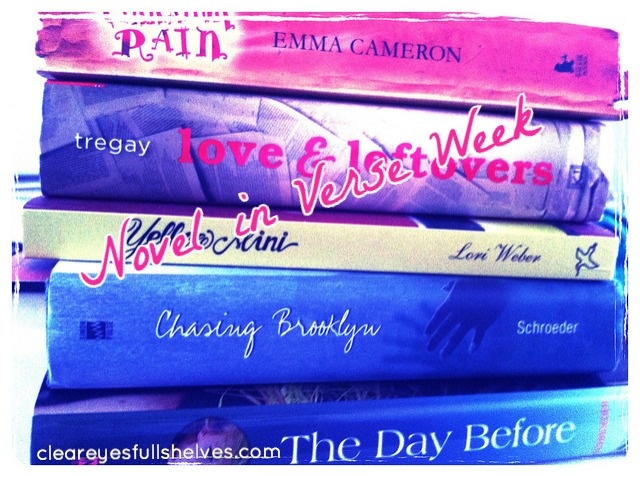

We know despite our saying over and over again that verse novels are absolutely nothing to fear, some of you may still be nervous about trying out a verse novel.
As a result, I thought I'd point those of you who may want to ease into verse to some traditional novels with poetic or verse elements. Similarly, easing into verse novels with books for the younger set can be a fun way to test out the form without committing to a long, complex verse novel for teens or adults.
Once you've tried a few of these on for size, head over and give our Verse Week 2013 podcast a listen for more first-verse recommendations.
Falling for You by Lisa Schroeder | Simon Pulse (2013)
Lisa Schroeder is well known for her verse novels, but her most recent YA novel, Falling for You, is told in prose format, but contains loads of poems (the narrator is a teenage poet) that are key to the story. I really, really enjoyed this book, but I will warn you that the summary, cover and title aren't particularly related to the actual story. This is really a novel about finding family where you least expect it.
Graffiti Moon by Cath Crowley | Knopf Books (2012)
Graffiti Moon is one of my favorite all-time books, it just so perfectly captures that type of night that can only happen the summer after high school. Told from multiple points of view, Graffiti Moon includes a perspective entirely in poems. Some of my favorite moments are the poems evoking the Melbourne night--they're absolutely vivid.

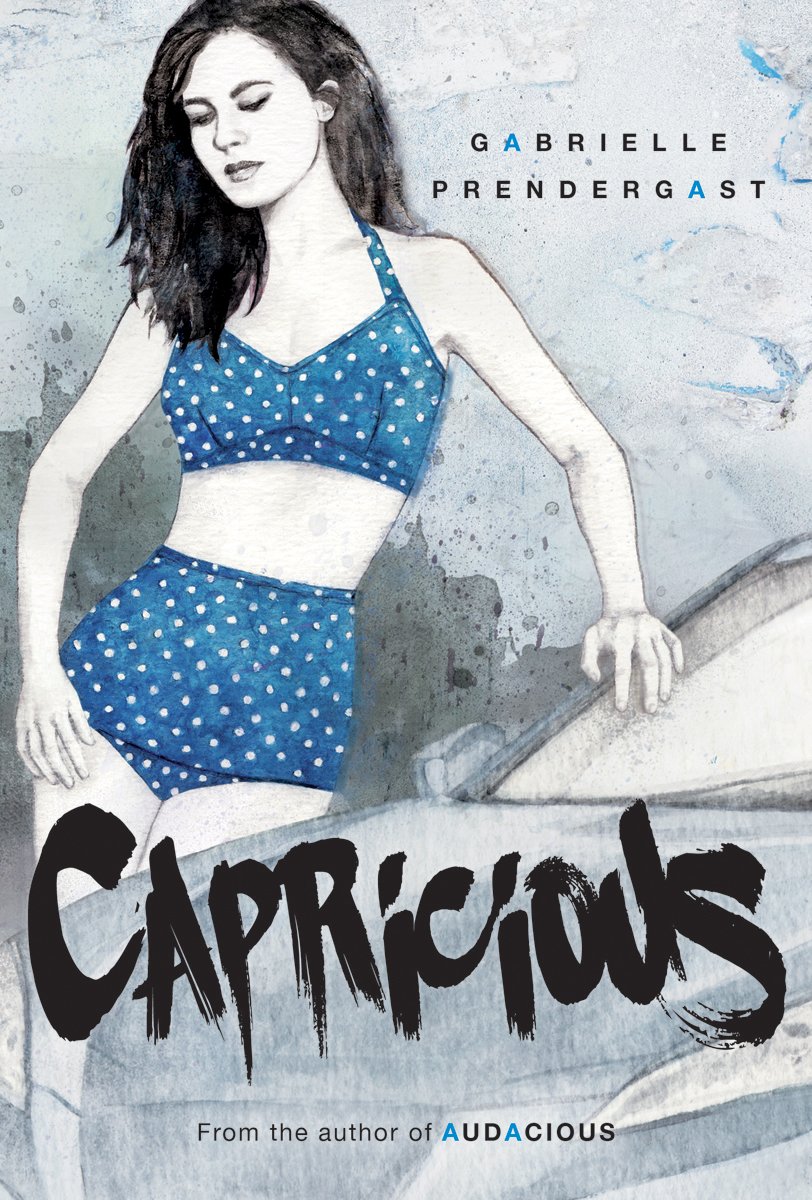
We're halfway through our annual Novel in Verse Week celebration here on Clear Eyes, Full Shelves and today we have verse novelist Gabrielle Prendergast who shares an inside glimpse on the challenges of creating backstory with the verse format. Enjoy! ~Sarah
One of the challenges for any author, particularly one who writes contemporary novels for teens, is the task of revealing backstory. Because I started out as a screenwriter, backstory, as it is frequently revealed in contemporary young adult books, does not come naturally. I tend to still see my stories as screenwriters do, as a series of scenes in a mostly linear narrative, so diversions into reminiscence feel awkward to write.
But backstory is critical, and in contemporary first person narrated young adult novels, it plays a huge role in getting to know the main character through their past actions and experiences. “Show don’t tell” is the mantra. Delving into the past allows us to see how the characters became who they are rather than them having to tell us.
Writing in verse, while it shares the conciseness and imagery of screenwriting, nevertheless is antithetical to screenwriting when it comes to inner life. In screenwriting it is a never ending struggle to reveal a character’s inner life, never mind their past, without resorting to flashback or voiceover. In verse novels techniques that are analogous to flashback and voiceover are essential.

Remember last year when we bombarded you with a week of posts about the awesomeness of novels in verse?
This year, we're hoping to make it bigger and better and awesomer!
Like last year, 2013's will be that last week in April, beginning on April 21. We'll be posting features about verse novels and their authors, but some folks have also reached out to us and asked if they could get involved. (It is so weird to me that people want to collaborate with us, but it's also extremely awesome.)
To find 2012's archives, visit this tag. (Apologies for the tediousness of that search--our new setup allows us to be more organized than when CEFS launched.)
Photo courtesy of tanakwaho; Creative Commons licensed. Remixed by Sarah Moon.
Support Clear Eyes, Full Shelves
Buying via these links help support our hosting & podcast production costs.

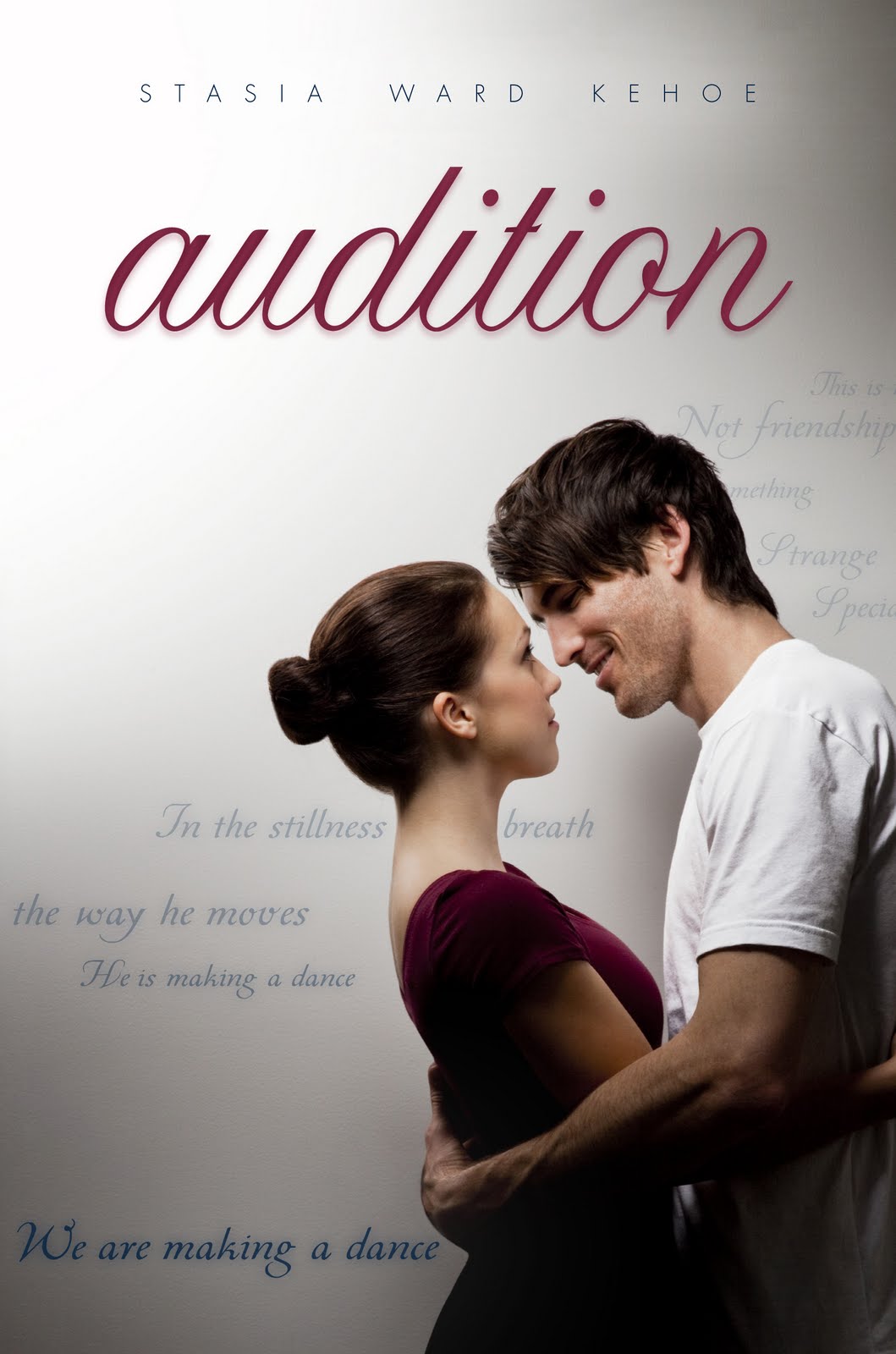
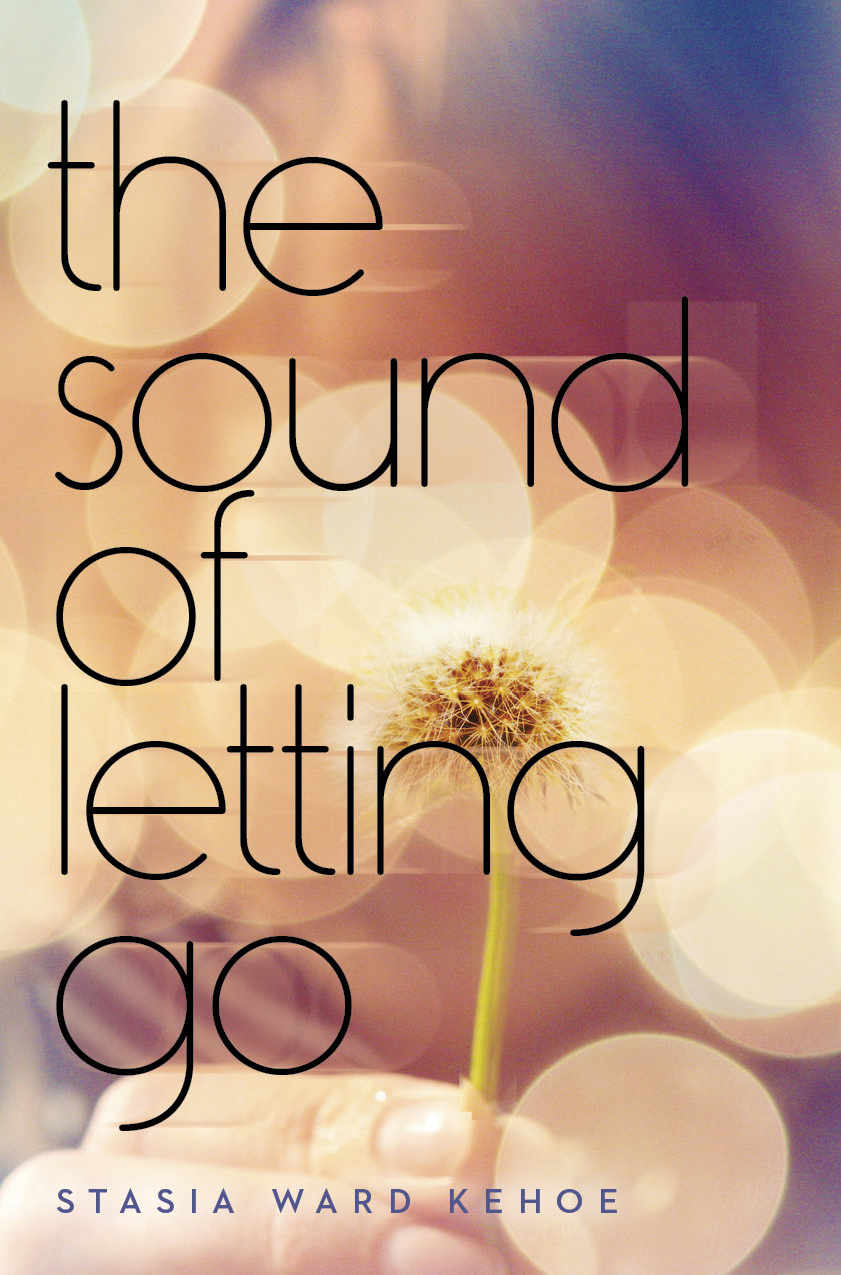
Verse Novels: The Last Five Years by Stasia Ward Kehoe